Key takeaways
- Cosmetic wear is often repairable.
- Structural rot, a failing ledger or moved footings often call for replacement.
- Resurfacing can renew a sound frame.
- An inspection gives you the facts.
Signs a deck can be saved
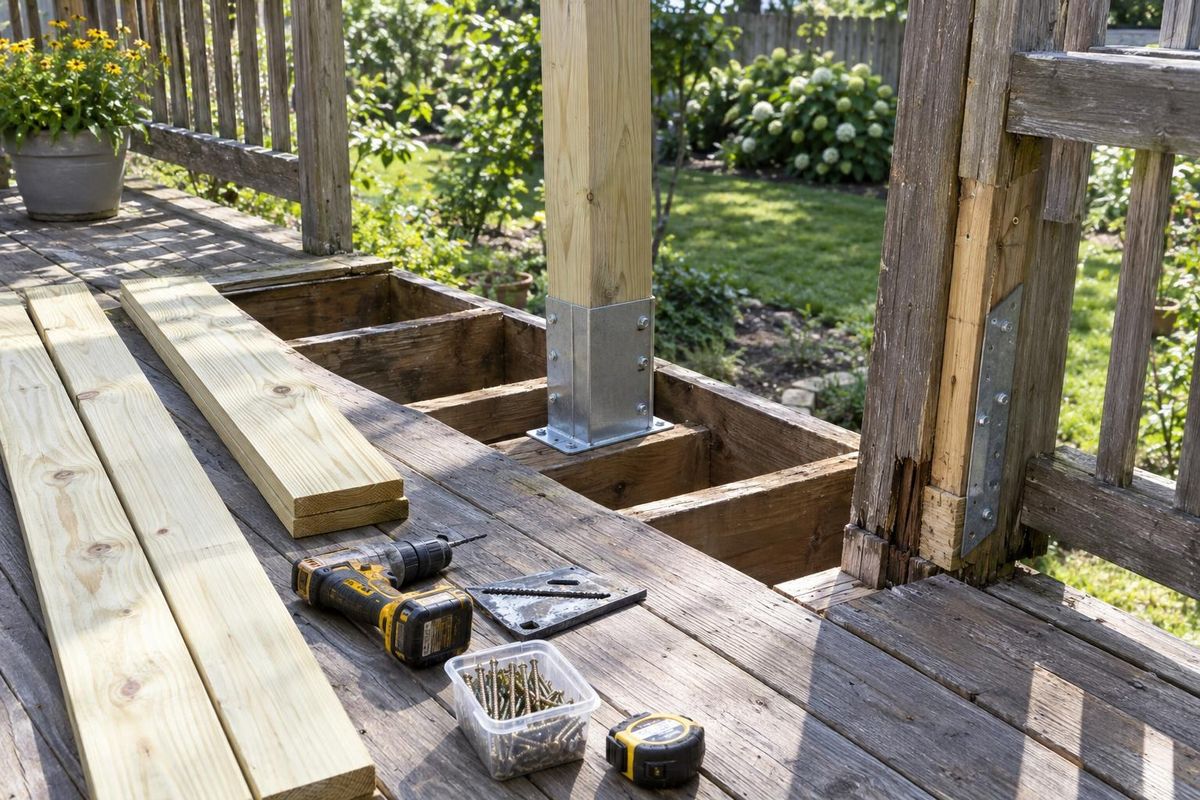
A few soft boards, loose fasteners, faded finish and wobbly rails are usually fixable. If the frame is straight, the ledger is solid and the footings are stable, repairs and resurfacing can renew a deck for a fraction of rebuilding.
Signs it is time to replace
Widespread rot in joists and beams, a ledger that is pulling away or rotted, footings that have sunk or heaved and a deck that bounces or sways are serious. When the structure is compromised, patching hides the problem.
Resurfacing as a middle path
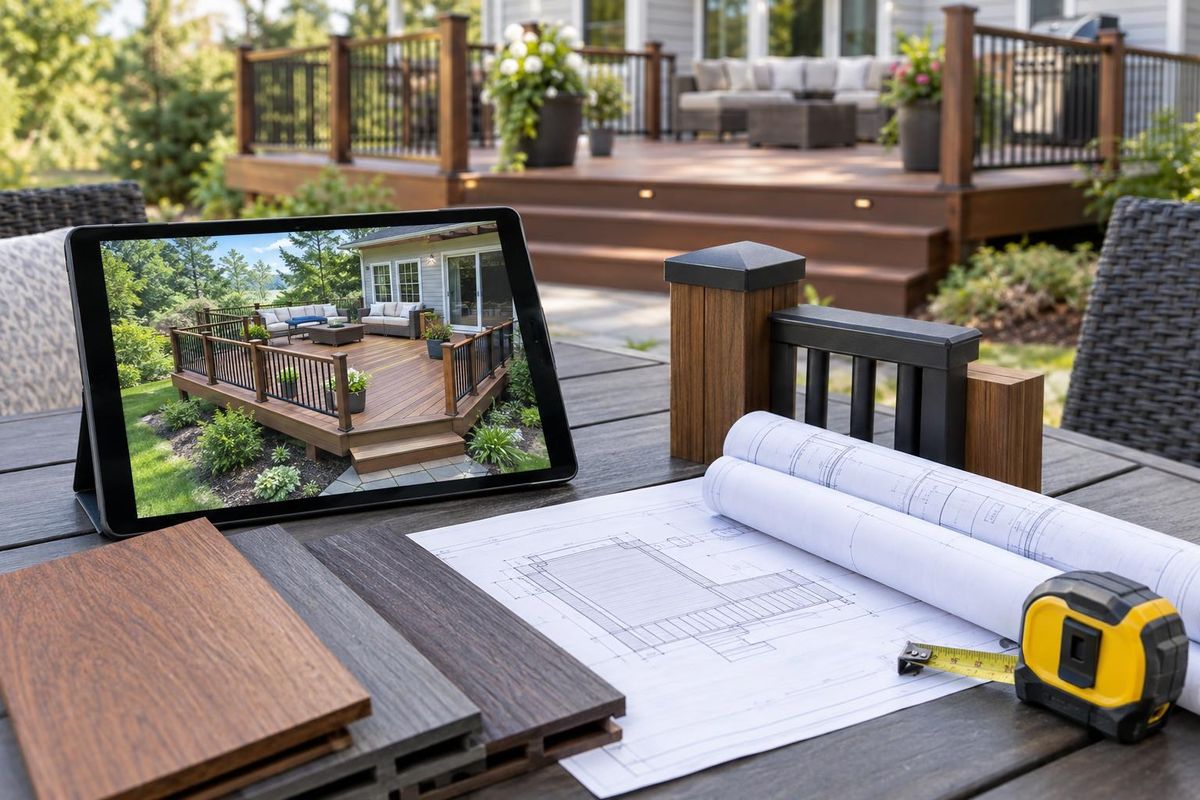
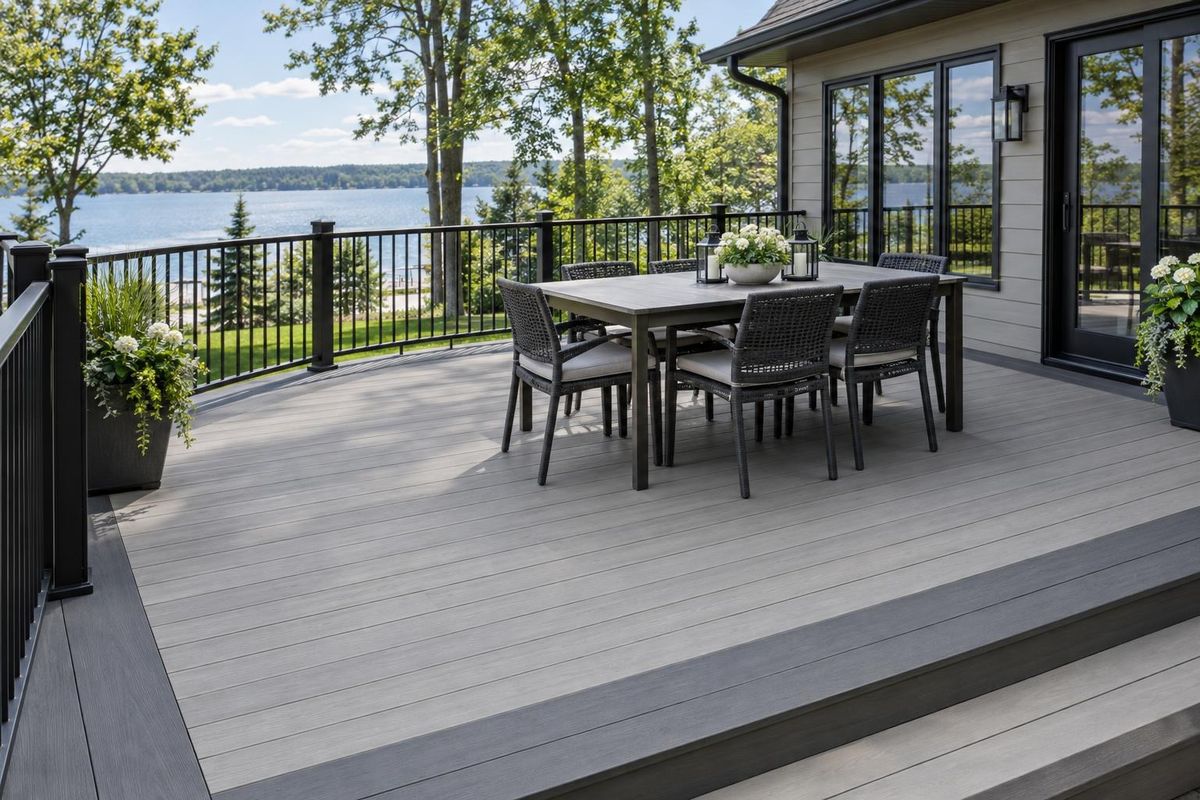
If the frame is sound but the boards and rails are worn, replacing the surface can renew the deck. It also lets you upgrade to a lower-maintenance material.
Get an inspection
A professional can check the hidden parts and give you an honest assessment. It is a good step before spending on repairs or a rebuild.
Quick answers
How long do decks last?
It depends on materials, construction, climate and care. Good care adds years.
Is it safe to use a questionable deck?
If you see sagging, rot or loose connections, limit use until it is inspected.
Can I just replace the boards?
If the frame is sound, often yes.